Shopify SEO: Complete Guide to Ranking Your Store on Google

Shopify is a powerful e-commerce platform, but out-of-the-box SEO isn't enough to compete in today's market. This comprehensive guide covers everything you need to rank your Shopify store on Google.
Technical SEO Fundamentals
Start with the basics. Ensure your site loads quickly, is mobile-responsive, and has a clean URL structure. Shopify handles many technical aspects automatically, but there's still work to do.
Optimizing Your Site Structure
- Create a logical category hierarchy
- Use descriptive, keyword-rich URLs
- Implement breadcrumb navigation
- Create an XML sitemap (Shopify does this automatically)
- Optimize your robots.txt file
Product Page Optimization
Each product page is an opportunity to rank. Write unique, detailed descriptions. Use high-quality images with descriptive alt text. Include customer reviews. Add schema markup for rich snippets.
Your product pages should be so informative and engaging that customers don't need to look anywhere else.
Collection Page Strategy
Collection pages can rank for valuable category keywords. Write unique descriptions for each collection. Include relevant keywords naturally. Add helpful content that goes beyond just listing products.
Content Marketing for Shopify
Start a blog to target informational keywords. Create buying guides, how-to articles, and industry insights. Link strategically between blog posts and product pages. Build topical authority in your niche.
Image Optimization
- Compress images without losing quality
- Use descriptive file names with keywords
- Write detailed alt text for every image
- Implement lazy loading for faster page speeds
- Use WebP format when possible
Mobile Optimization
Over 70% of e-commerce traffic comes from mobile devices. Test your store on various devices. Ensure buttons are easily tappable. Simplify checkout for mobile users. Monitor mobile-specific metrics.
Link Building Strategies
Build high-quality backlinks to increase domain authority. Reach out to industry bloggers for product reviews. Create shareable content. Participate in relevant online communities. Consider influencer partnerships.
Local SEO for Shopify
If you have a physical location, optimize for local search. Create a Google Business Profile. Include location-specific keywords. Add local schema markup. Encourage customer reviews on Google.
Monitoring and Analytics
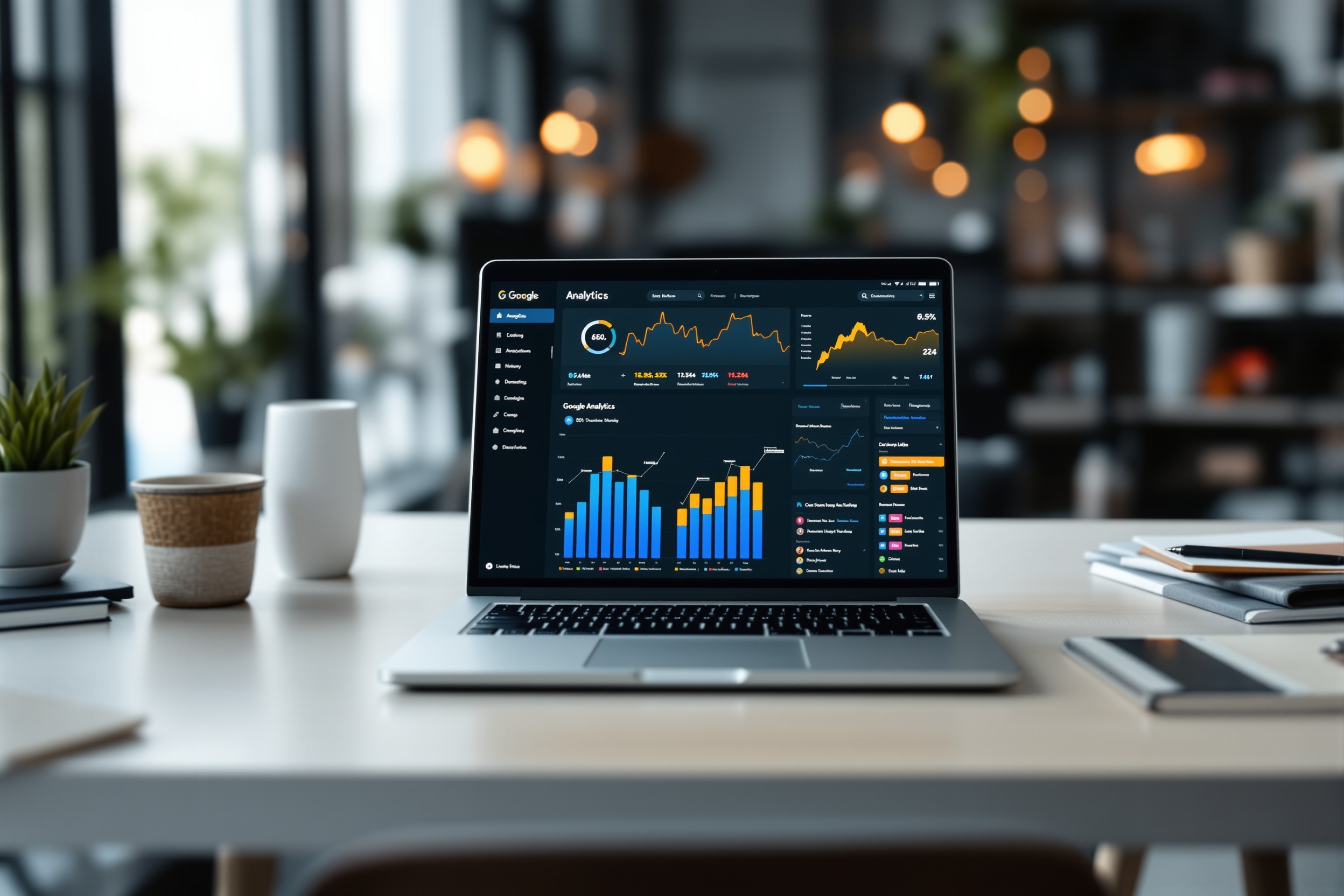
Use Google Analytics and Search Console to track performance. Monitor keyword rankings. Analyze traffic sources. Identify top-performing pages. Use data to guide optimization efforts.
SEO is a long-term investment. Results take time, but the payoff is worth it. Organic traffic is free, targeted, and sustainable. By implementing these strategies consistently, you can build a Shopify store that ranks well and drives consistent sales.
Ready to Transform Your E-Commerce Business?
Start generating SEO-optimized content with AI today
Get Started Free3 free searches • No credit card required